






Rottweilers are one of the most loyal dogs in the world — powerful, confident, and deeply protective of their families. Originally bred as working dogs in Germany, Rottweilers have a reputation for strength and courage, but beneath that muscular build lies a loving, affectionate companion when trained properly.
This complete guide covers their history, temperament, training, health, and grooming, helping pet parents decide if this dog breed is the right pet for their family.
History and Origin
If you delve into history you'll discover that the origins of Rottweilers are intertwined with the mighty legions of the Roman Empire. It may surprise you. These adorable creatures can be traced all the way back, to ancient Rome.
During their great conquests, the Roman forces required dependable drover dogs to herd and secure their cattle. Here come our modern-day Rottweiler's ancestors. These tough dogs not only kept the livestock from straying during the long marches, but also safeguarded them from wild creatures and prospective robbers.
As the Romans moved over Europe, particularly the territory of modern-day Germany, these canines began to mix with native breeds. In the bustling town of Rottweil, they established the groundwork for a new breed over time and with a dash of serendipity. The name 'Rottweiler' refers to the town in which they quickly became indispensable, herding livestock and hauling carts loaded with butchered meat to marketplaces. In essence, they were the canine realm's dependable, multi-tasking employees.
But the world changes, and so do the Rottweiler's duties. Rotties have worn numerous hats (or should we say collars?) throughout history, from herders to guardians, from family protectors to search and rescue canines. This vast tapestry of experiences has formed their distinct combination of intelligence, strength, and loyalty.

Physical Characteristics of the Rottweiler Breed
The Rottweiler dog is a striking example of powerful breeds, historically rooted as Roman drover dogs accompanying Roman legions across ancient Rome. Originally bred as cattle drovers, these working group herding dogs evolved notably in southern Germany, specifically in the town of Rottweil, becoming known as the "Rottweiler Metzgerhund" or butcher’s dog.
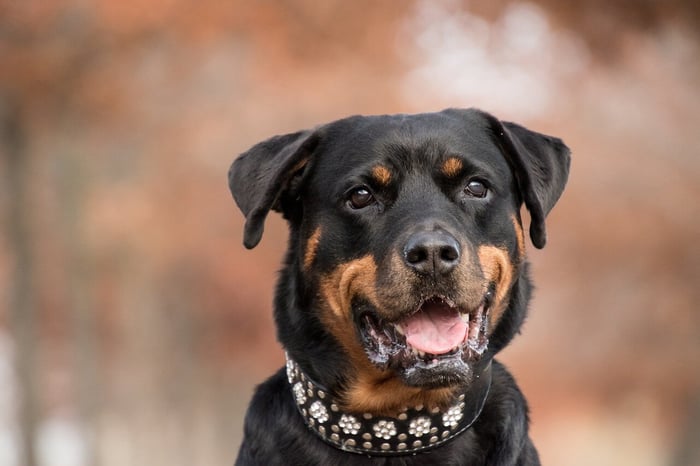
According to the American Kennel Club and breed clubs such as the Allgemeiner Deutscher Rottweiler Klub (German Rottweiler Club) and the International Rottweiler Club, the breed standard emphasizes a robust build. Male Rottweilers typically stand around 27 inches at the shoulder, while female Rottweilers are slightly shorter yet equally powerful. Their sturdy and muscular frames classify them alongside mastiff-type dogs, demonstrating remarkable strength suited for roles ranging from police dog duties to guard dogs.
The Rottweiler's coat consists of a dense, straight outer coat that contributes significantly to coat health. Regular daily brushing can control heavy shedding, ensuring their coat remains shiny and healthy. The classic coloration features predominantly black fur accented with rust to mahogany markings clearly defined around the muzzle, chest, and rear legs, enhancing their distinct appearance.
Due to their size and build, Rottweilers may face specific health issues common among large breeds, such as hip and elbow dysplasia. These conditions affect the hip joint and can cause serious health problems later in life, highlighting the importance of regular veterinary checks, including consultations with a veterinary cardiologist to monitor potential cardiac concerns that might lead to sudden death. Proper training from an early age and regular exercise are crucial for maintaining their health and managing their naturally energetic and sometimes inherently dangerous tendencies, ensuring your Rottweiler grows into a well bred adult dog rather than an aggressive dog.
A Rottweiler puppy will benefit greatly from a high-quality dog food designed specifically for large breeds. Paying close attention to a dog's diet, especially avoiding overly large meals, can significantly contribute to better overall health and life expectancy. With proper care, mental stimulation, and positive reinforcement training, Rottweilers are highly trainable dogs known for their eagerness to please their owners, making them exceptional companions when properly socialized with other dogs and animals from an early age.
Rottweiler Temperament and Personality
The Rottweiler breed is widely recognized for its confident, loyal, and courageous nature. Originally bred as cattle drovers and guard dogs, their inherent protective instincts make them excellent family guardians when properly trained. Contrary to the stereotype of being inherently dangerous, well-bred and well-socialized Rottweilers display a calm demeanor, eager to please their owners and responsive to positive reinforcement training.
Proper training from an early age is essential to mold their behavior positively and prevent aggressive tendencies. Rottweilers thrive with consistent mental stimulation and clear guidance, and they form strong, lasting bonds with their families. Regular interaction with other dogs and animals further fosters a balanced and sociable personality.
Their high intelligence and eagerness to work contribute to their suitability as police dogs and versatile working dogs. A well-trained Rottweiler is friendly yet reserved, exhibiting stable and confident behavior that aligns closely with breed standards set by respected organizations such as the American Kennel Club and the Allgemeiner Deutscher Rottweiler Klub. Ultimately, a properly raised Rottweiler will prove itself as a devoted, affectionate companion rather than an aggressive dog, highlighting the importance of responsible ownership and training.
Exercise and Activity Levels
First and foremost it's important to prioritize exercise for Rotties. These dogs truly thrive when they engage in physical activities. A quick stroll, around the neighborhood won't cut it for them. They crave walks, jogs and the excitement of chasing a ball in a spacious field. Their robust legs and sturdy physique indicate that they possess endurance capabilities. Regular exercise not keeps them physically fit but also enables them to channel any excess energy that might otherwise lead to unwanted behaviors.
But it's not all about running around. Rottweilers require mental stimulation as well. Because of their background as working dogs, they have an instinctive need to solve issues, whether it's herding, guarding, or puzzling out that new puzzle toy you brought home. This mental workout can be provided through activities such as agility courses, obedience training, or simply hide-and-seek games with their favorite toys.

Health and Care
Rottweilers, with their robust frame and boundless energy, might seem invincible. But like every living creature, they have their specific needs when it comes to health and nutrition. Giving them the best life isn't just about love and play—it's also about ensuring they're in the pink of health, from those playful puppy days to their dignified senior moments.
Diet and Nutrition
To ensure a Rotties health it is crucial to provide them with a well rounded diet. These strong dogs need a meal that includes ample protein for muscle strength fats for energy and essential vitamins and minerals to promote overall well being. While it may be tempting to follow every dog food trend seeking advice, from your veterinarian will help you make the best choices that suit your Rotties specific needs.
Regular Check-ups and Vaccinations
Just as we need our routine doctor visits, so do our furry friends. Regular veterinary check-ups can spot potential issues before they become significant concerns. As they say, prevention is better than cure.
Vaccinations, deworming, and flea and tick preventatives are also par for the course. They not only protect your Rottie but also contribute to public health.

Rottweiler Grooming
Grooming is essential to keep your Rottweiler’s coat, skin, and teeth healthy. Fortunately, Rottweilers are considered low maintenance compared to long-haired breeds.
Brushing and Bathing
Brush your dog’s coat at least once a week using a firm bristle brush to remove dead hair and reduce heavy shedding. During spring and fall, when shedding increases, more frequent brushing may be necessary.
Bathe your Rottweiler every 6 to 8 weeks or when they get dirty. Use a mild dog shampoo to preserve the skin’s natural oils. Overbathing can cause dryness and skin irritation.
Teeth, Nails, and Ears
Teeth: Brush two to three times per week to prevent tartar buildup.
Nails: Trim monthly to prevent discomfort or injury.
Ears: Check weekly for signs of infection, wax, or redness.
Maintaining this routine will prevent infection, pain, and odor, ensuring your dog stays clean and comfortable year-round.
Health and Common Conditions
While generally healthy and strong, Rottweilers are susceptible to several genetic and age-related conditions. Responsible breeding and regular veterinary care are vital to early detection and prevention.
Musculoskeletal Issues
Hip dysplasia and elbow dysplasia are common in large breeds. These occur when the hip or elbow joint develops improperly, causing pain, lameness, and eventual arthritis. Regular exercise, a balanced diet, and maintaining a lean body weight can help manage symptoms.
Cardiac Conditions
Subaortic stenosis (SAS) is a congenital heart defect that restricts blood flow, potentially leading to fatigue or, in severe cases, sudden death. A veterinary cardiologist can perform diagnostic evaluations if your Rottweiler exhibits symptoms such as fainting or exercise intolerance.
Cancer
Osteosarcoma, an aggressive bone cancer, is one of the most common fatal diseases in older Rottweilers. Early symptoms include limping, swelling, or pain in the limbs. Treatment options may include surgery, chemotherapy, or palliative care.
Digestive and Skin Conditions
Rottweilers are prone to bloat, obesity, and skin conditions such as allergies or hot spots. Regular grooming and a high-quality diet help maintain skin and coat health.
Occasionally, eye diseases like entropion or polyneuropathy can occur, particularly in aging dogs. Routine veterinary visits allow early detection and management.
Life Expectancy
With proper care, the Rottweiler’s life expectancy is typically 9 to 10 years. A combination of proper training, balanced nutrition, and preventive healthcare can significantly improve quality and longevity.
Rottweiler Puppies
Bringing home a Rottweiler puppy requires preparation and patience. Early investment in training, nutrition, and socialization pays lifelong dividends.
Raising a Healthy Puppy
Choose a reputable breeder who screens for hip dysplasia, heart defects, and other inherited diseases. Alternatively, adopting from a rescue organization is an excellent way to provide a loving home to a dog in need.
Feed large-breed puppy food to support slow, controlled growth—rapid weight gain can stress developing joints. Neutering should be discussed with your vet, as timing may affect bone development.
Start training and socialization early, introduce new environments gradually, and maintain consistent routines. Provide safe chew toys and sufficient playtime to encourage confidence and learning.
Jouet interactif en peluche pour chien, jouet couineur d'agneau

€6,95
Offrez à votre ami du plaisir et du confort avec notre adorable jouet en peluche couineur en forme de mouton. Adapté aux chiens de toutes tailles, ce jouet charmant et câlin est conçu pour divertir, engager et offrir du réconfort… read more
FAQs
Is a Rottweiler a good family dog?
Yes. When trained and socialized from an early age, Rottweilers are calm, affectionate, and excellent family dogs. They bond deeply with their owners and can live harmoniously with older children and other pets under supervision.
What is a Rottweiler’s weakness?
Rottweilers are prone to hip dysplasia, heart disease, cancer, and obesity if not properly exercised or fed a balanced diet. Regular vet care and high-quality dog food can prevent many issues.
Why are Rottweilers so special?
Rottweilers are admired for their courage, intelligence, and devotion. They combine the traits of guard dogs, working dogs, and family companions, making them one of the most loyal dogs in existence.
What two breeds make a Rottweiler?
Rottweilers descended from Roman drover dogs—early mastiff-type breeds—mixed with local German herding dogs near the town of Rottweil. This mix created a powerful, intelligent dog suited for both herding and guarding.
Conclusion
The Rottweiler embodies strength, loyalty, and intelligence. Behind their powerful appearance lies a dependable and loving companion devoted to their family. With the right training, proper socialization, and consistent care, Rottweilers make great family dogs that protect and love unconditionally.
Whether you adopt a Rottweiler puppy or rescue an adult, your dedication to training, nutrition, and grooming will help your Rottie stay happy and healthy throughout life.
Read More:https://funnyfuzzy.com/a/blog/how-cold-is-too-cold-for-dogs